The Diasporas Speaking Podcast

A trilingual and critical diaspora podcast series chronicling Kosovar, Albanian and Balkan diaspora histories. Curated by Rina Limoni.

The Latest Diasporas Speaking Episode

· 00:44:11

Srebrenica Genocide 30 Years on | Survival, Loss, and the Ongoing Fight for Justice

Selma Jahić

Selma Jahić, who together with her brother and mother survived the Srebrenica genocide, shares her family's story of survival, loss, and the ongoing fight for justice and remembrance. On 11 July 1995, over 8,000 Bosniak men and boys were systematically murdered — the worst atrocity on European soil since the Second World War.

00:0000:44:11
Podcast series

Explore by theme

Our episodes are organised into thematic series, each one tracing a distinct thread of Balkan diaspora history.

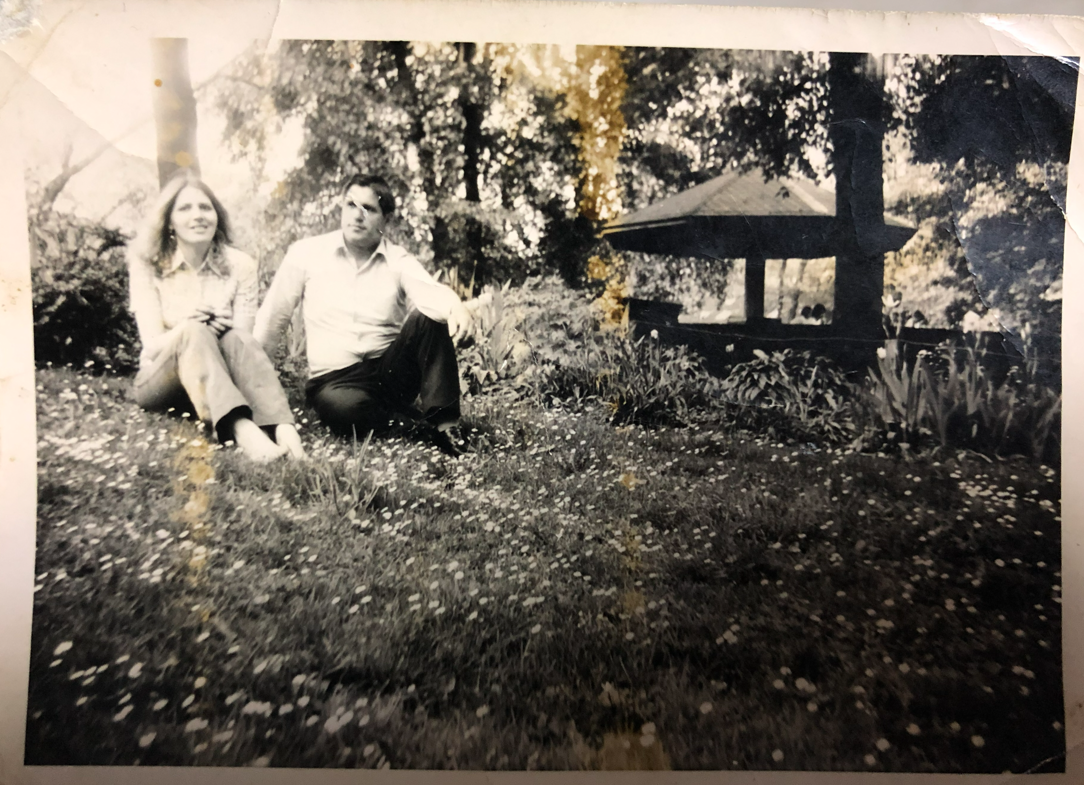
Couple sitting in a garden in a vintage photograph

Kosovar-Albanian Gastarbeiter Family Histories

The first generation came for work and stayed for decades. This series traces the family histories of Gastarbeiters, their journeys, their silences, and the children who grew up between two languages, two countries, and two versions of home.

Explore series →
Large crowd gathering with a red flag against a mountain backdrop

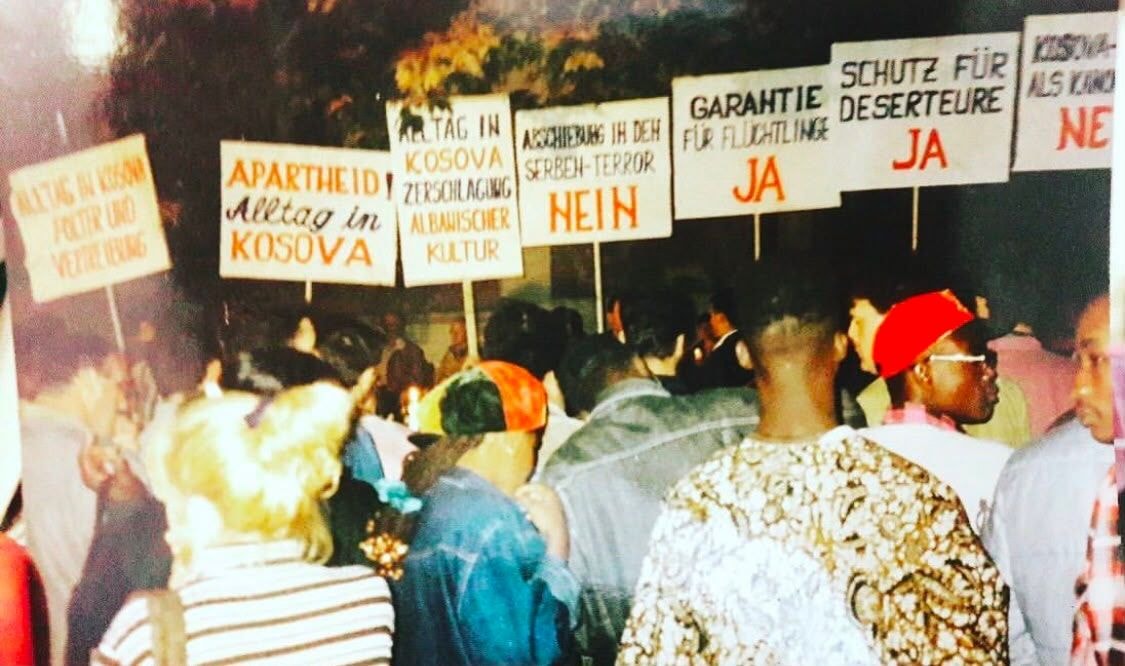
The 1990s Refugees and Immigration

Between 1991 and 1999, the wars of Yugoslav dissolution forced hundreds of people from their homes. Bosnians, Kosovars, Croats, and others fled to Germany, Austria, Switzerland, the UK, Scandinavia, and beyond, arriving as refugees in countries that were often unprepared, unwilling, or ambivalent about their presence.

Explore series →
Bus station at dusk under a stormy sky

Post 2000 Immigration

The wave of Balkan migration that followed the wars of the 1990s looked different from what came before. This series examines the new patterns, new destinations, and new kinds of belonging that emerged in the early 2000s.

Explore series →
Three young men in a vintage black and white portrait

Silent(ced) Histories

Some silences are chosen. Others are imposed. This series traces the difference — examining the stories that were never told aloud, the archives that were never kept, and what it costs a community when its histories remain unspoken.

Explore series →
Toy store shelf display with children's games

Third Generation

What do we know about third generation Balkan diasporas? How are third generation diasporans forging its own relationship with Balkan heritage through language learning, cultural activism, return visits, and the creative work of making sense of a history that belongs to them but was not theirs to live. Or whether they entirely refuse their Balkan roots or feel comfortable in their diffused identity.

Explore series →
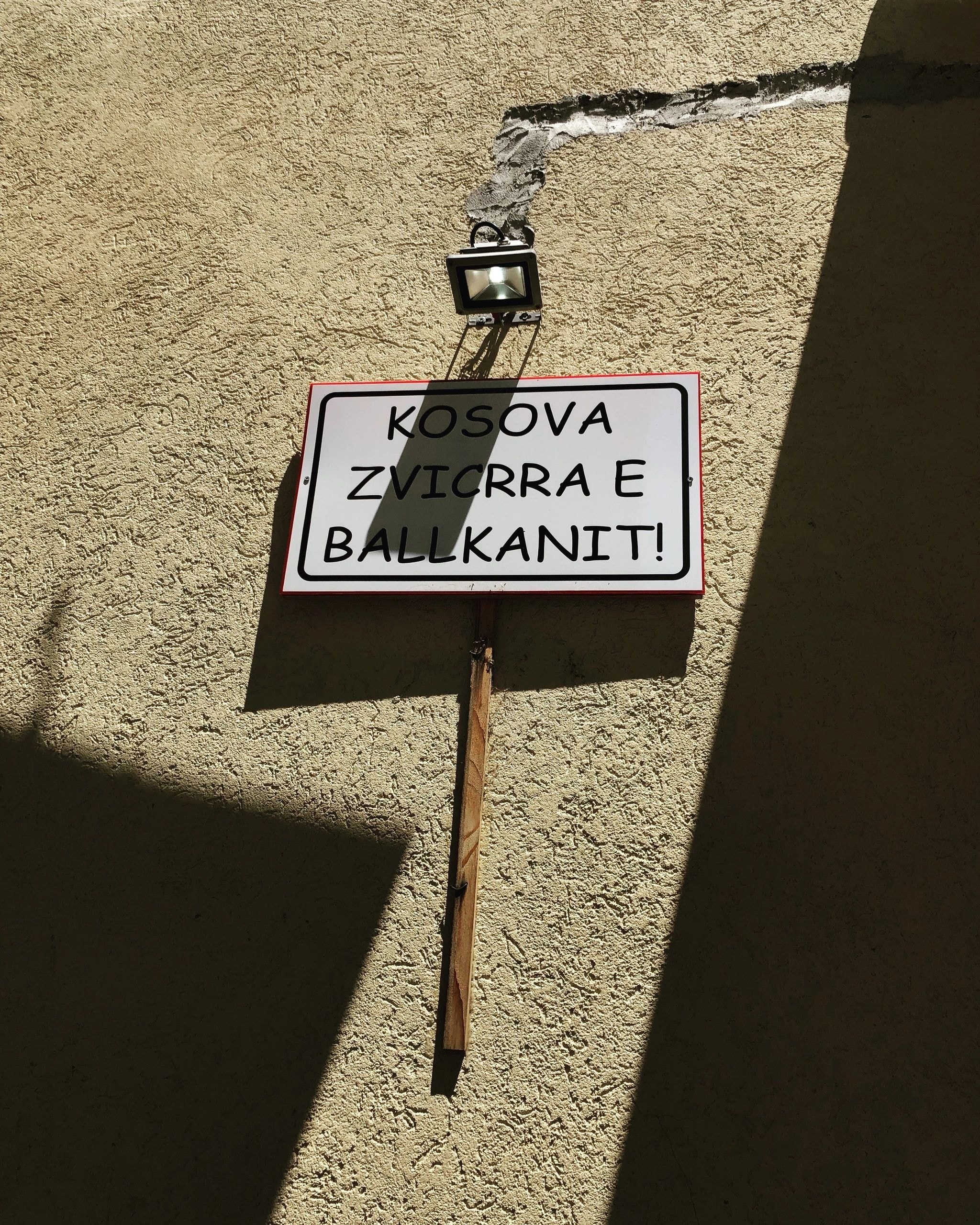
Political protest sign on a Balkan wall

Fell for the Balkans

The Balkans have long attracted writers, journalists, and travellers who arrived with notebooks and left with books. Some of those books have shaped how the region is understood internationally. This series asks what it means to write about a place you did not grow up in and what happens when those narratives collide with the stories of people who did.

Explore series →
Two women in conversation, warm light, intimate setting

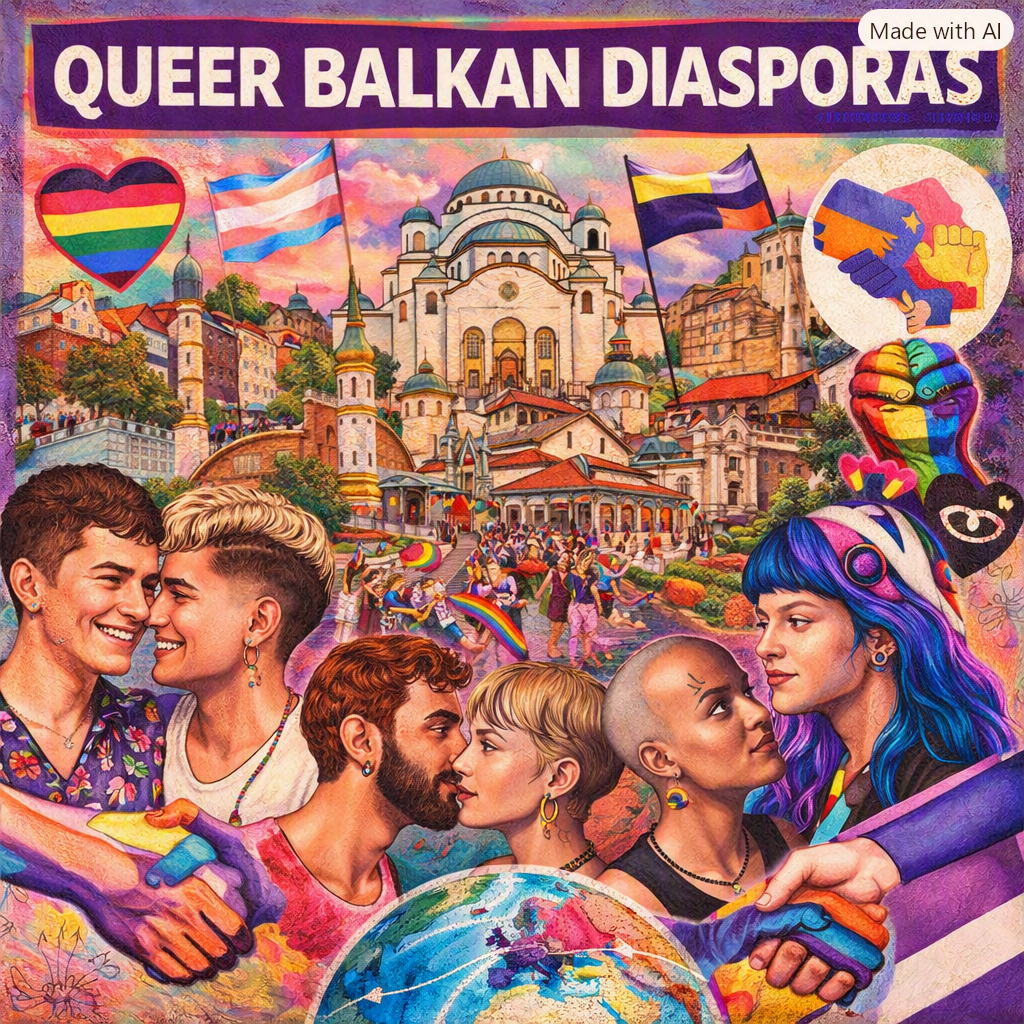
Queer Diasporas and the Migration experience

This series centres the experiences of queer women and LGBTQ+ members of the Balkan diaspora, tracing how gender, sexuality, migration, and belonging intersect across borders. It explores the quiet negotiations, the ruptures, and the acts of self‑definition that shape queer diasporic life.

Explore series →
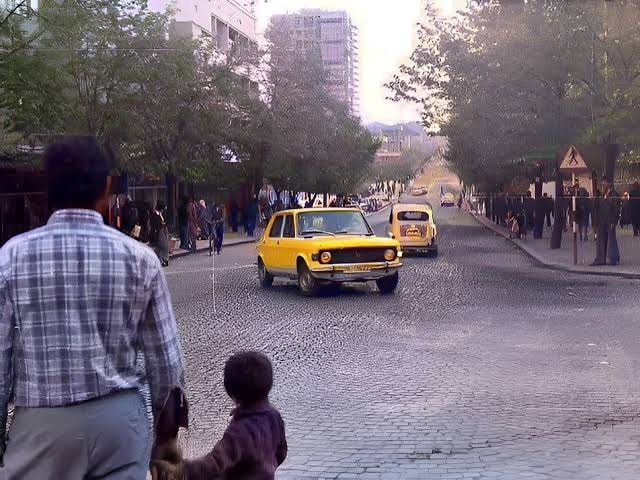
Balkan city street with political murals and architecture

Postcard from the Balkans

Under this section we will explore contemporary Balkan politics through conversations with scholars and researchers working on the region’s latest developments. It will also highlight activism, emerging movements, and the people, ideas, and curiosities shaping life across and around the Balkans.

Explore series →

About the show

Why these stories matter

Diasporas Speaking grew out of a simple observation: that the people best placed to tell the story of Balkan migration were rarely the ones being asked. Academic research on Yugoslav labour migration, the Kosova and Bosnian wars and the refugees that were produced as a consequence, but it spoke about these communities rather than with them. Journalism covered the wars and the refugee numbers, but not the long, quiet decades of settlement that followed.

The podcast is produced in collaboration with the Breaking Archival Silences project, which works to surface and digitise personal and community archives that have never entered the public record.